Surfing in Martinique : Discover the best spots
Martinique is filled with spots that are truly worth a visit, but it’s on the Caravelle Peninsula that the true surfing spirit of the island resides. The tropical climate offers dream conditions with water temperatures well above 27 degrees, enough to make you forget the icy waters of Brittany. To help you plan your next surf trip to Martinique, here are some practical insights we’ve gathered through our adventures. We’ll tell you when to go, where to catch your waves, and whether to rent equipment or bring your own. Of course, we’ll also introduce you to the best surf spots on this beautiful island. So, hold on tight, as we take you on a journey to discover surfing in Martinique, the ‘local’ way!
Which season is best for surfing in Martinique?
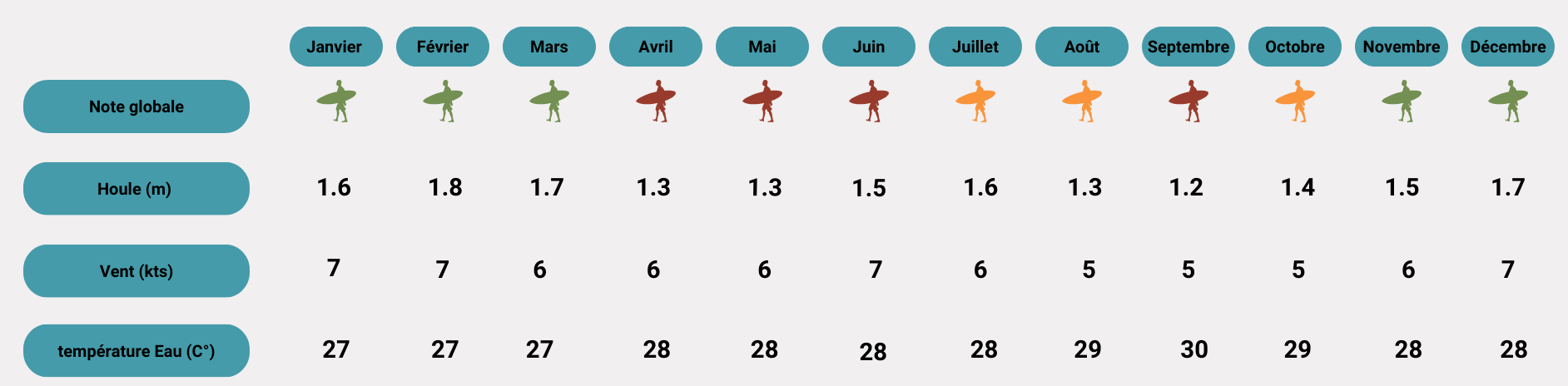
Martinica offers surf potential year-round, thanks to its exposure to North-Northeast swells and prevailing East winds. However, to enjoy the best conditions, the ideal time for a surf trip is between November and March. This period also corresponds to the dry season, the most pleasant in terms of climate, providing beautiful sunny days with less humidity. In other words, it’s the perfect time to ride the waves of Martinica.
Where to stay ?
If you’re planning a surf stay in Martinica, choosing accommodation is a crucial step. You’ll find that the Caravelle Peninsula stands out as the must-visit spot. This is where the heart of surfing on the island beats, with its diverse spots and surf schools. However, don’t expect to find an abundance of surf hostels as in Europe. In Martinica, accommodation mainly consists of hotels, apartment rentals, and villas. In the town of Tartane, you’ll have plenty of options, catering to every budget.
To rent your board on-site or travel with it ?
If you’re a beginner, then a surf school is an excellent choice to start your adventure. It will provide you with crucial information about the spots and raise awareness about potential dangers.
If you feel comfortable in the water, renting a board on-site is an option to consider. The Surfers’ Beach, located on the Caravelle Peninsula, offers various board rentals, from softboards to epoxy boards. It’s convenient as it saves you from the hassle of bringing your own equipment during the trip. This way, you can explore the local waves with ease.
For seasoned surfers, if you have a quiver full of boards at home and want to enjoy them on exotic spots, there’s no hesitation—bring your own boards. Airlines from the mainland typically don’t apply oversize baggage fees for surfboards, making transportation relatively affordable. However, it’s essential to properly prepare your boards to avoid damage during the journey. Soft racks like Surflogic Softrack are practical for safely transporting your boards from the airport to your accommodation and then to various surf spots. It’s the ideal solution to keep your equipment intact during transit.
Surfschools
The “Plage des surfeurs” or Surfers’ Beach truly embodies the surf culture of the island, so it’s not surprising that it hosts the majority of surf schools in Martinica You’ll undoubtedly find what suits you there.
One of our special recommendations goes to Surf Up,, led by Vanessa, a multi-award-winning longboard champion on the island. She welcomes you warmly for surf lessons, longboarding, or even board rentals.
Quick tip: It’s wise to follow surf schools on Instagram as they regularly provide surf reports @Surfupmartinique
The best surf spots in Martinique
1. "La plage des surfeurs" or The surfers' beach
L’Anse Bonneville, also known as Surfers’ Beach, is the most famous surf spot on the island. It’s also the most crowded, especially on weekends. Like most spots on the island, it’s a reef break.
This spot offers a variety of conditions suitable for both beginners and advanced surfers. For beginners, it’s recommended to favor the peak furthest to the east. However, even experienced surfers will find it satisfying.
A tip for those looking for a bit more space: when the beach is particularly crowded, head all the way west of the spot. There, you’ll find a rock emerging from the water, usually less crowded, with a beautiful right-hander that rolls into the next spot, VVF. It’s an excellent way to avoid the crowd and enjoy quality waves.
2. L'Anse l'Etang or VVF
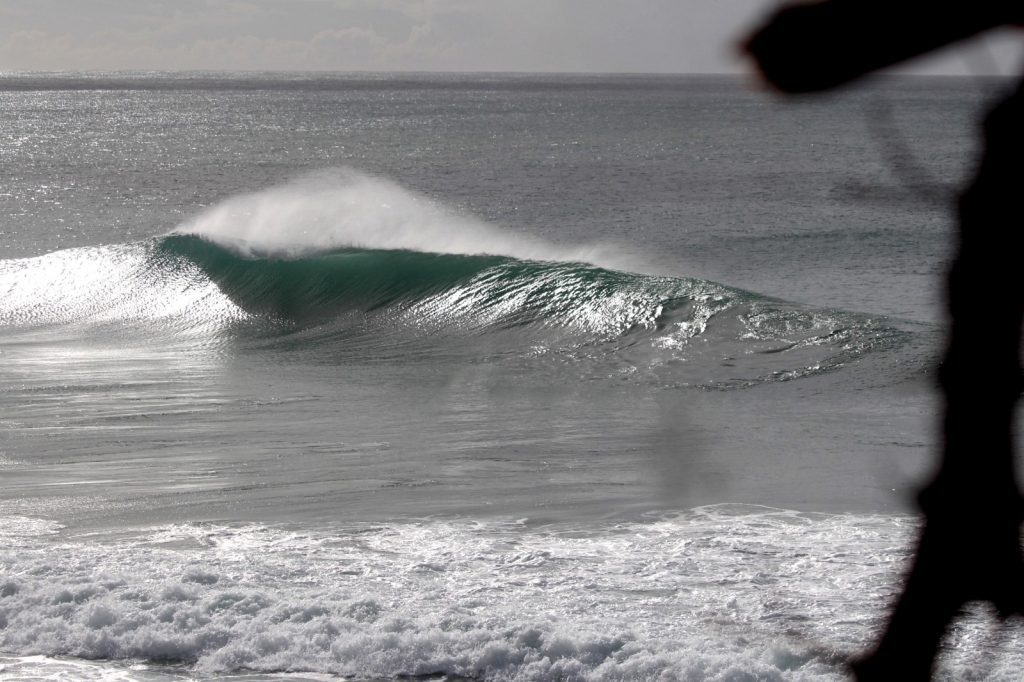
The beach of Anse L’Etang, also known as VVF, is a large bay with white sand, providing a perfect setting to enjoy the waves while ensuring the safety of swimmers near the shore.
To access the lineup, a bit of paddling is necessary. At VVF, you’ll find three distinct peaks. The first, to the east, offers less hollow right-hand waves, making it an ideal choice for beginners. Then, there’s the in-between, where you’ll discover both left and right waves for variety. Finally, Cocoa, to the west, is a well-hollowed and tubular left, reserved for experienced surfers.
3. Pelle à Tarte or pie lifter
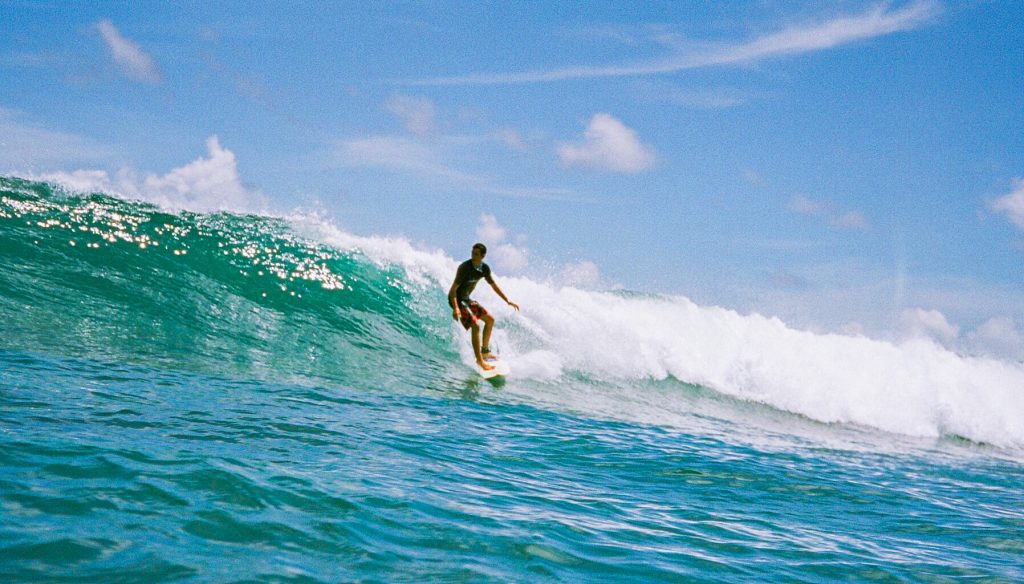
Pelle à Tarte, located to the east of Surfers’ Beach, is accessible via a hiking trail through the forest from Surfers’ Beach or by paddling. It ranks among the most spectacular spots on the island, often delivering imposing, hollow, and tubular waves. However, it’s important to note that this spot is reserved for experienced surfers.
4. Anse Charpentier
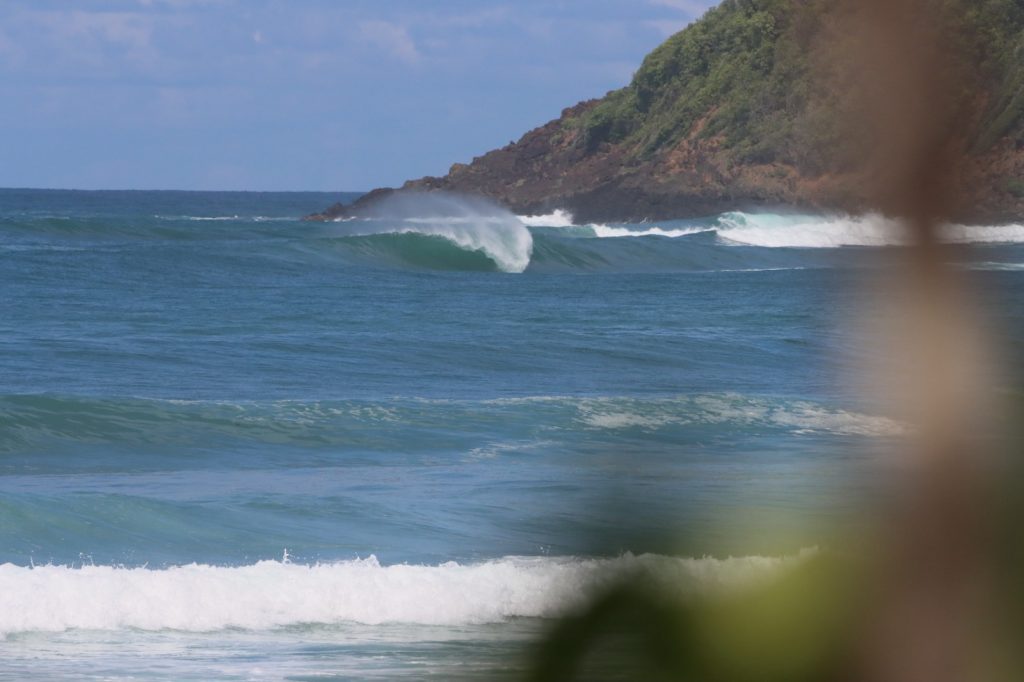
Situated between the municipalities of Marigot and Sainte-Marie, Anse Charpentier is more authentic and less crowded than the spots on the Caravelle Peninsula, while still offering waves of very good quality. Three distinct spots make up this location: Lakaye, Parking, and Roots.
Roots and Parking are powerful and fast hollow beach breaks. The current can be strong here, so beginners, steer clear. Lakaye, on the other hand, is a superb right-hander breaking over a shallow reef. The current is less intense, but this spot is not suitable for beginners.
5. Basse Pointe
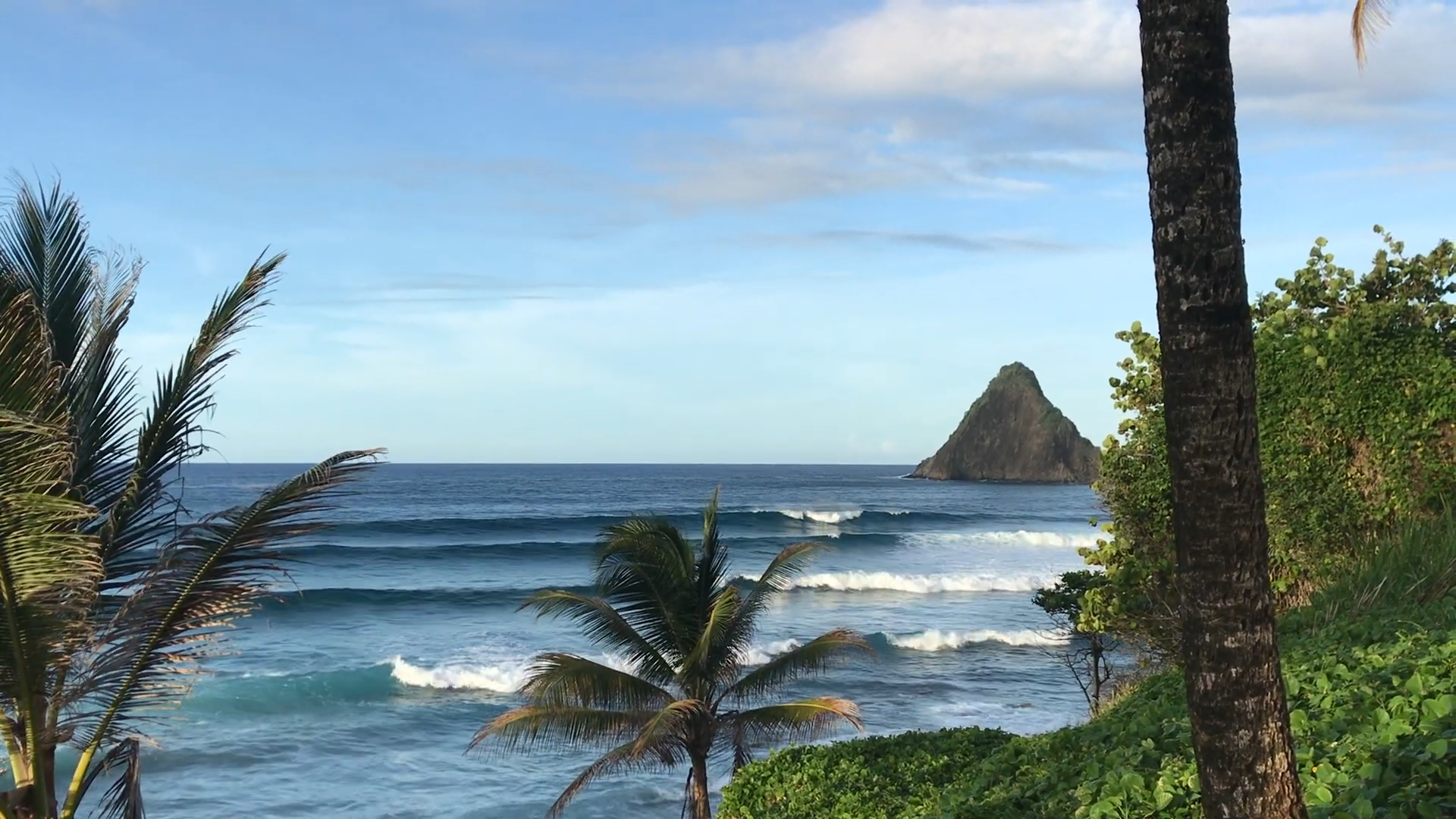
Located on the north Atlantic coast, Basse Pointe is an impressive surf spot that has hosted the Martinique Surf Pro, a stage of the World Surf League. It’s a demanding location, especially during large North/Northeast swells. The waves here create a long, technical right-hander, reserved for experienced surfers.
6. Anse Couleuvre
L’Anse Couleuvre stands out as the most iconic surf spot in the northern Caribbean. To reach it, you have to follow the road to its northernmost end. The road stops, but the adventure continues on foot. You must take a trail through the forest.
Waves break on the reef point break, creating hollow waves. However, please note that this spot operates less regularly than those on the Atlantic coast. You’ll need to wait for swells from the North to have an unforgettable surfing experience here.
7. Tomate or Tomato
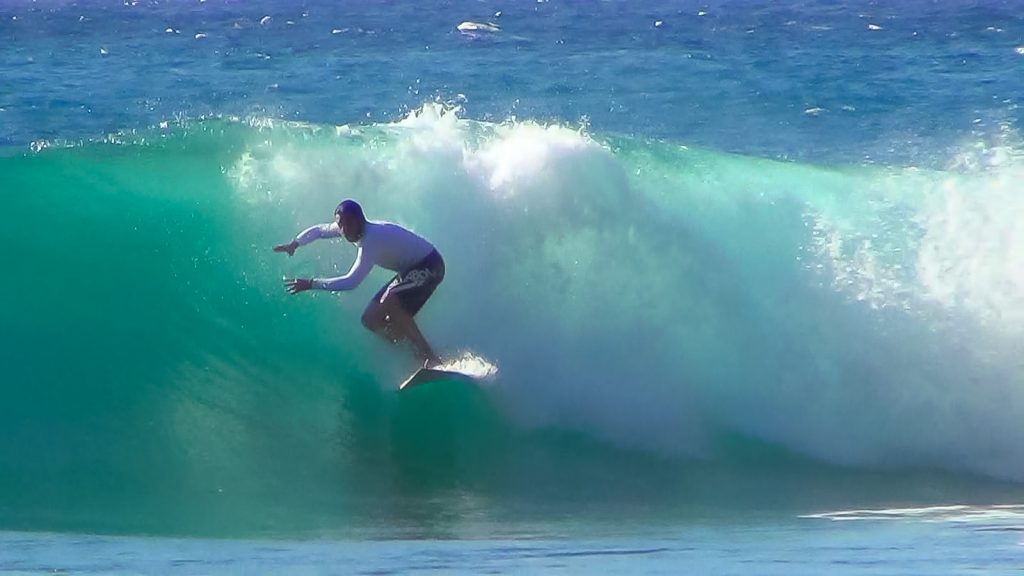
Tomate is a surf spot located just before reaching Anse Céron when coming from Le Prêcheur. It’s a long right-hander that performs well with a North swell. It doesn’t pose any particular difficulty, and the waves are generally smaller compared to Anse Couleuvre. It’s an ideal wave for all skill levels.
8. Le Diamant / Anse Cafard
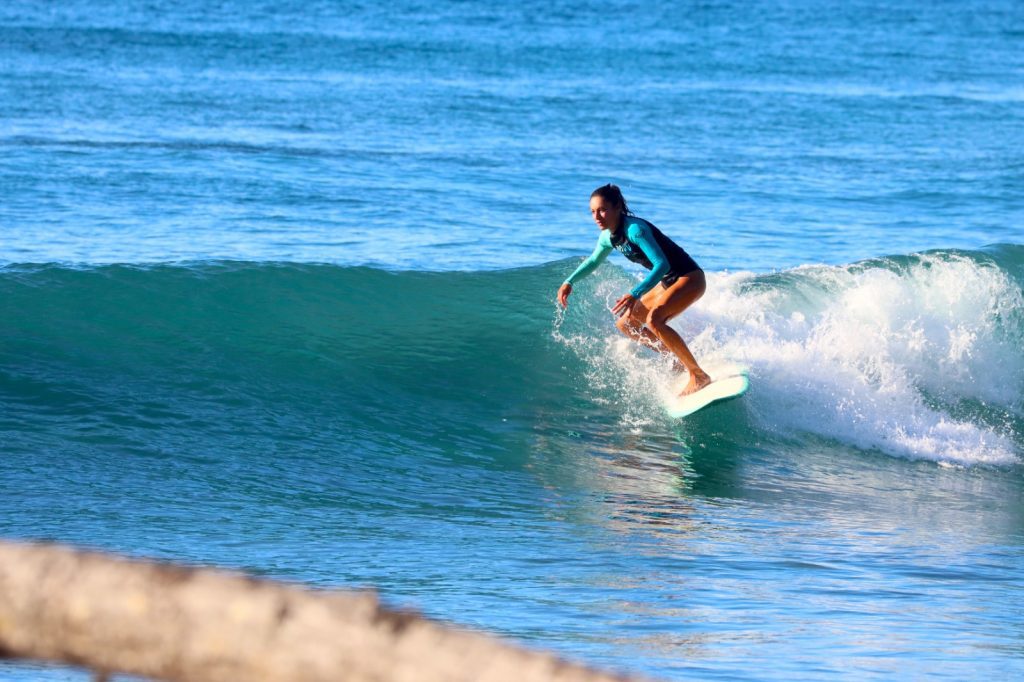
Le Diamant offers two distinct spots, the main beach, and Anse Cafard. These are fast beach breaks, of average quality for surfers but highly appreciated by bodyboarders.
9. Anse Trabaud
L’Anse Trabaud, on the other hand, is a bit challenging to access. You’ll need to take a dirt road through fields and pay a toll (€2.5/car) to access this beautiful beach as the road is private. Once there, you’ll discover a long stretch of white sand, offering a good beach break, ideal for bodyboarding enthusiasts.